Showing posts with label Gingerbread. Show all posts

HTC Announces Desire S, True Successor to Original Desire


Today at Mobile World Congress, HTC announced the Desire S, a device that we've seen leaked numerous times as the HTC Saga. It brings a similar form factor, but has a slimmer, stronger design thanks to unibody construction. The specs aren't going to blow you away, let us warn you, but it looks like a worthy successor to the original. Like the current Desire, it has a 3.7" WVGA display; in the case of the Desire S, it's a Super LCD panel. It's packing a single core Qualcomm Snapdragon 1GHz with 768MB of RAM, 1.1GB of ROM, and a 1450mAh battery. The camera on the rear can record 720p video and 5MP photos. There's also a front-facing camera for video calls and portrait shots. Beyond that, it's packing an updated version of the Android Sense UI which brings some minor changes to the UI. Look for this device to land in Europe in Q2 2011.


Source: (Pocketnow)

HTC Announces Incredible S, Bumps Screen Size


It turns out that the supposed buttonless phone we've been seeing everywhere was actually the successor to the HTC Incredible, which landed on Verizon as the Droid Incredible in 2010. The successor, the Incredible S, is in a lot of ways similar to the original. Most notably different is the increase in screen size from 3.7" to 4" via a WVGA 800x480 Super LCD panel (no more AMOLED). It's running a Qualcomm Snapdragon single core 1GHz CPU with 768MB of RAM and 1.1GB of ROM. The camera on the back shoots photos at 8MP and can do 720p HD video. It's running an updated version of Sense UI which brings minor changes, like a redesign program tray. Powering everything is a 1450mAh battery. Look for the Incredible S in Q2 2011 in Europe


Source: (Pocketnow, Phonedog)

Video Calling, Multi-Mode Apps Coming in Android 2.4?


It's being reported that an anonymous source at "a major manufacturer" has let some details about the next Android OS for smartphones leak.

In what's being called Android 2.4 (the successor to Gingerbread), Google may be adding video calling support via Google Talk, similar to what we've seen in Honeycomb. Additionally, this version is said to include "dual-mode" app support so apps written for Honeycomb-powered tablets should run just fine on smartphones running Android 2.4.

We previously heard that Android 2.4, like 2.3 may be called Gingerbread, similar to Android 2.0 and 2.1 both being called Eclair. However, including Honeycomb compatibility and features sounds a lot like what we've heard about Android Ice Cream Sandwich.

What do you think? Will Android 2.4 be an iterative Gingerbread release, or is 2.4 Ice Cream Sandwich?

Source: (Pocketnow)

Gingerbread For Nexus One Within A Week


OK, so the last time we told you that Gingerbread on the Nexus One was imminent, Google didn't deliver. Until we hear it straight from the Android's mouth, there's always the chance for these rumors to fizzle; people misinterpret things, timelines shift, and priorities change. This time feels a little more solid, though, as word is supposedly leaking out of the Mobile World Congress that Google's first smartphone will finally be getting an Android 2.3 update by this time next week.

MobileCrunch caught wind of a casual mention of the update at the MWC, and sought to try and nail it down a bit more before running with it. After mentioning its find to anyone who would presumably have knowledge of an impending update, a collection of off-the-record confirmations has started to become what sounds like a real possibility. After all, if there's anywhere outside Mountain View that you'd expect those in the know at Google to be spending their time this week, it'd be Barcelona.

Getting Gingerbread on the Nexus One could be the opening-of-the-floodgates we need to start seeing Android 2.3 ported to other handsets. Considering that pretty big changes are expected for the next Android, integrating parts of Honeycomb, Gingerbread may be the last major update coming to some of the older, aging smartphone hardware that's out there.

Source: (Pocketnow)

Galaxy S II, Xperia Neo Given Price, Release Dates by Expansys


The just-announced Samsung Galaxy S II has been given a price and release date at Expansys (for the unlocked, 16GB version, anyway): Monday, April 18th for 650 pounds, or about $1044 -- although we imagine that price will drop somewhat before it ships as other retailers price-compete for pre-orders. No solid info was available for the 32GB model. Also given definitive release information was the Sony Ericsson Xperia Neo (a.k.a. Halon), which the UK retailer expects on Monday, March 28th for 375 pounds (~$600).

Both models were introduced yesterday at Mobile World Congress, but where the Galaxy S II is a high-end, dual-core flagship for Samsung, the Xperia Neo, as its name suggests, is a single-core, mid-tier handset. Still, it boasts a 1GHz processor, WVGA resolution, and the 2.3 Gingerbread build of Android.

Source: (Pocketnow)

LG Optimus 3D Hands-On (Video)


The LG Optimus 3D made its debut at Mobile World Congress and we got some hands-on time with the device. As a recap, it's the first 3D Android smartphone, allowing you to record 3D videos and images, then play them back on the glasses-free 3D WVGA 4.3" display. It's packing a dual core TI OMAP 4 CPU with PowerVR SGX540 graphics, plus HDMI and DLNA connectivity.


Source: (Pocketnow,PhoneArena)

Samsung Galaxy S II Hands-On (Video)


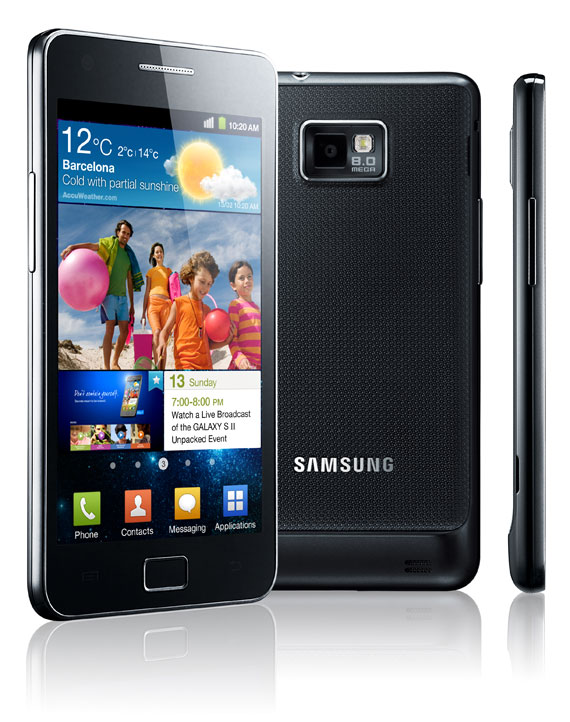
The Galaxy S II is a pretty big deal for Samsung. It's the proper successor to their wildly-selling Galaxy S series of devices, which has sold over 10 million units already. Compared to the device it's replacing, the Galaxy S II features a large 4.3" Super AMOLED Plus display at WVGA resolution, plus it's bumped to Android 2.3 with the latest version of TouchWiz UI. It features a dual core CPU (we're still not 100% on just which) with 1GB of RAM. On the back it's packing an 8MP camera with full 1080p video capture.


We just got some serious hands on time with the Galaxy S II, and found that it indeed might be the world's thinnest and lightest device which would appeal to the majority among you but if you're like me, you would probably not like it. It all comes down to your tastes, really, the device is thin, light and had a great build quality.

Needless to say Samsung's own Super AMOLED Plus display brings the best in contrast and color vibrancy and, with the dual-core CPU and Android 2.3 Gingerbread, the device really flies executing whatever you throw at it.

Source: (Pocketnow)

Sony Ericsson Xperia Arc video preview (video)


Sony Ericsson's MWC presser today may have been all about its new Play, Pro and Neo members of the Xperia family, but the CES debutant we know and love as the Arc was out in force as well. So, we thought, why not throw together our thoughts on this phone and splice them with a gallery of delicious new images plus some video action to boot? The first thing to note is that the Xperia Arc will be shipping globally in March and Sony Ericsson is aiming for the broadest possible operator coverage. Focusing on the handset itself, we've been wildly impressed by its design since first laying eyes on it, there's something fundamentally attractive about the Arc's look, something less tangible than its ridiculously slim profile. Sony Ericsson has used a similar plasticky material on the back as it does in the Neo, which doesn't overwhelm us with any sensations of reassurance or quality, but seems to do the job. Guess some corners had to inevitably be cut along with the fat on this phone's body.

The 4.2-inch screen is bright and lucid, though we'd warn against expecting too much from the Bravia Reality Display marketing. As we've mentioned before, the display enhancements only kick in when you're consuming multimedia. Still, general performance looks more than satisfactory. Hard buttons around the body are well arranged and designed, a contrast from the fiddly keys we found on the Xperia Pro. What was consistent with the rest of Sony Ericsson's Xperia crew, however, was the Arc's inability to execute its pinch-to-zoom widget summary screen. It's an ambitious function -- gathering all your widgets from each screen into one cohesive overview -- but, basically, it's laggy as hell. Aside from that, general UI responsiveness could also stand some improvement, but we like where Sony Ericsson is going with the whole thing. If it keeps up its promise to repent from last year's sins with relation to Android updates, the company has a very good chance of striking it rich with the Xperia Arc. It's a phone that can truly get by on its looks alone. Video after the break!


Source: (Engadget)

Samsung working with Sybase and Cisco to make Galaxy S II enterprise-friendly


BlackBerry may be the go-to enterprise smartphone platform, but Samsung is positioning its newly unveiled Galaxy S II as new contenders for the crown. To get there, Samsung's working with Sybase to bring far more advanced security to the handsets than stock Android offers, including control of individual applications and ports and also allowing for remote administration -- including admin-pushed app updates. Samsung also talked up the phone's Exchange compatibility and, with help from Cisco, the phone offers WebEx compatibility, VPN support, and VOIP calling. Know what this means? Your next corporate phone just got a lot more interesting.

Source: (Engadget)

Galaxy S II Photos and Specs


Galaxy S II, Dual core at 1GHz, Screen 4,3 inch Super AMOLED plus, the wordest thinest smartphone 8,49 χλστ. battery 1650 mAh and camera 8 Megapixel recording at Full HD 1920×1080 pixels.

Samsung Galaxy S II
OS: Android 2.3
CPU: 1GHz Orion – Dual Core
RAM: 1GB
Screen: 4,27 inch, 800×480 pixels, Super AMOLED Plus
Camera: 8 Megapixel, auto focus, LED flash, Video Full HD 30fps 1920×1080
2th Camera 2 Megapixel
Inside memory: 16GB/ 32GB
Memory Card: micro SD έως και 32GB
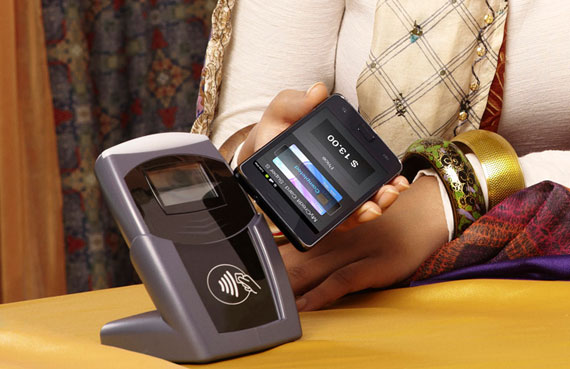
Wi-Fi n, DLNA, GPS, Bluetooth 3.0, micro USB, NFC , FM Radio
Battery: 1650 mAh
Size: 125,3×66,1×8,49 mm.
weight: 116 gr.


LG Optimus 3D has dual-core 1GHz OMAP 4 CPU, video codecs up the wazoo


LG's been mighty stingy with details about its 3D smartphone, but some very promising ones have just trickled out of Barcelona ahead of Mobile World Congress -- in keeping with the company's theme of doubling everything, the LG Optimus 3D will ship with a dual-core 1GHz TI OMAP 4 chip. Considering that we've seen that particular SOC drive three screens, we're guessing that a single 4.3-inch stereo display (yes, 4.3-inch is confirmed) will be old hat, and we've certainly seen the included PowerVR SGX540 graphics throw around some weight in many a Galaxy S. Raw specs aside, though, the Optimus 3D has a feature that we've been waiting on in Android for a while: LG says it will have "four times more video decoders than competing designs." Admittedly, that probably means it will still only recognize about eight video formats in total, but as long as we can play the vast majority of our anime music video library without re-encoding the lot, we'll promise to only grumble occasionally. Deal? PR after the break


Source: (Engadget)

Samsung Galaxy S 2 image and specs leak a little early


Someone got their dates mixed up it appears and posted some info regarding the upcoming Samsung Galaxy S2, along with a nice high-res image before they were suppose to. The images have since been pulled, but the Korean text remains, so for now check out the specs and let us know what you think?

* Android 2.3 (Gingerbread)
* 1GHz dual-core processor
* 4.3 inch display
* HSPA+
* Bluetooth 3.0
* 802.11 a/b/g/n WiFi
* Weight: 116g, 8.49mm thick

Source: (SmartPhone ENVY)

Android 2.4 reportedly coming in April, headed to ViewSonic ViewPad 4?


Last we heard at CES, Viewsonic's ViewPad 4 handset was on track to launch with Android 2.2 in mid-June, but it now looks like there might be a pretty significant change of plans. Pocket-lint is reporting that it's heard from a source at Viewsonic who says the ViewPad 4 is now set to launch in April... with Android 2.4. According to the source, however, that update will not be dubbed "Ice Cream" as some had suspected, but will instead simply still be called Gingerbread. So what does the update bring if not a name change? Compatibility with dual-core apps designed for Honeycomb, primarily, which Pocket-lint speculates is one of the main reasons we've yet to see many Android 2.3-based devices hit the market

Source: (Engadget)

CyanogenMod7 Gingerbread on the HTC HD2


CyanogenMod, my favorite Android custom ROM, is approaching the Gingerbread Release Candidate phase. This basically means that the entire CyanogenMod Team ("TeamDouche") has been able to port the AOSP source into their framework. It's not quite ready for a "final" release -- they still have some bugs to work through.

What's remarkable about the CyanogenMod source is its framework approach. Developers can "plug-in" the files and configurations necessary for the hardware they're working on, and bring CyanogenMod to a wide variety of handsets.

What do I mean by a "wide variety"? In addition to devices like my T-Mobile G2, the HTC HD2 (a Windows Mobile smartphone), can now run CyanogenMod7.

While the HD2 has been able to run several versions of Android in the past, getting the combined development weight of CyanogenMod behind it means more stable ROMs, quicker.

If you've got an HD2, head over to the link below for more information!

Source: (Pocketnow)

Froyo On 51.8% Of Google Android Devices; Gingerbread On 0.4%


Google Android 2.2 Froyo has gained 8.4% of the total number of Google-powered devices since we last took a look at the stats published by Android Developers back in December, a tad more than a month ago.

According to the figures, Android 2.2 Froyo now powers 51,8% of devices while Android 2.1 Eclair is present on 35.2% (4.4% lower than last month's 39.6), putting a solid 16.6% between the two. Unfortunately, Froyo is not the latest of Google's operating system with the launch of Gingerbread, which is only active on 0.4% (most of them probably Nexus S smartphones) of the total devices powered by the platform.

To get a better picture at what Steve Jobs was referring to when he was talking about Android fragmentation, there are currently five Android versions out there, and the corresponding figures from the Google platform market are: Android 1.5 (4.7%), Android 1.6 (7.9%), Android (35.2%), Android 2.2 (51.8%) and Android 2.3 (0.4%).

Source: (Pocketnow)